


PE Tarpaulin
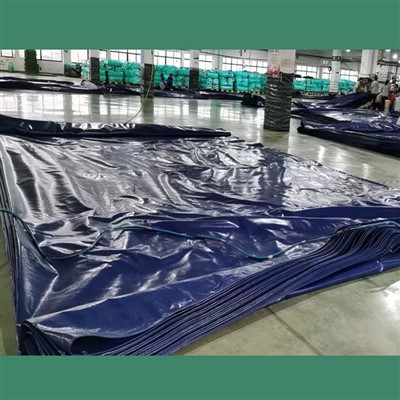
PE Tarpaulin is a woven fabric made from high-density polyethylene (HDPE) fibers, coated with low-density polyethylene (LDPE) on both sides. This combination of materials creates a strong, waterproof, and UV-treated sheet that can withstand harsh weather conditions and physical stress. PE tarps are an affordable and lightweight alternative to traditional canvas tarps, making them popular choices for various applications.
Advantages of PE Tarpaulin
Material strength
Pe tarpaulin outperforms many other tarpaulin materials fabrics in terms of tensile strength. Its resistance to tearing and punctures makes it an excellent choice for various applications, from transport vehicle tarpaulin to building construction tarpaulin.
Longevity
A well-made pe tarpaulin can last for years, outlasting other materials like hdpe tarpaulin. Factors affecting its lifespan include uv exposure, extreme weather conditions, and proper maintenance.
Waterproofing
Compared to other materials, pe tarpaulin is an outstanding waterproof tarpaulin option. Its waterproof nature makes it ideal for protecting your valuable assets from moisture and rain.
Uv resistance
Pe tarpaulin's resistance to uv radiation is a significant advantage for outdoor covers. It outshines other options like pvc laminated tarpaulin and pvc coated tarpaulin, ensuring that your belongings stay protected from sun damage.
Mold and mildew resistance
Pe tarpaulin's resistance to mold and mildew is essential for outdoor cover applications. This attribute helps prolong the life of the material and keeps your possessions free from unwanted fungal growth.
Versatility
Available in a wide array of sizes and colors, pe tarpaulin sheets and rolls cater to a diverse range of applications. With customization options from custom tarpaulins, you can find the perfect fit for your needs.
Ease of use
Pe tarpaulin is significantly lighter than other materials like poly tarps, making it easier to install and transport. Its lightweight design reduces the hassle of handling large outdoor covers.
Cost-effectiveness
Pe tarpaulin offers competitive pricing compared to other materials. Its affordability makes it an attractive option for a wide range of customers, from small business owners to large-scale importers.
-
![PE(NON-PVC) ECO-Friendly New Material]() PE(NON-PVC) ECO-Friendly New Material
PE(NON-PVC) ECO-Friendly New MaterialProduct Name:PE(NON-PVC) ECO-Friendly New Material
Raw Material:LDPE+HDPE
Weigh:240GSM~300GSM
Size:2.00M -
![Blue PE Tarpaulin]() Blue PE Tarpaulin
Blue PE TarpaulinProduct Name:Blue PE Tarpaulin
Raw Material:LDPE+HDPE
Weight:240GSM~300GSM
Size:Customized -
![Heavy Duty Pe Tarpaulin]() Heavy Duty Pe Tarpaulin
Heavy Duty Pe TarpaulinProduct Name: Heavy Duty Pe Tarpaulin
Raw Material:LDPE+HDPE
Weight:90GSM~300GSM
Size:Customized -
![PE Tarpaulin Material Rolls]() PE Tarpaulin Material Rolls
PE Tarpaulin Material RollsProduct Name: PE Tarpaulin Material Rolls
Raw Material:LDPE+HDPE
Weight:50GSM~250GSM
Size:Customized -
![PE Tarps]()
-
![Polyethylene 240 GSM Taurpalin]() Polyethylene 240 GSM Taurpalin
Polyethylene 240 GSM TaurpalinProduct Name:Polyethylene 240 GSM Taurpalin
Raw Material:LDPE+HDPE
Weight:240GSM~300GSM
Size:Customized -
![Recyclable TPO-PE Coating Material]() Recyclable TPO-PE Coating Material
Recyclable TPO-PE Coating MaterialProduct Name:Recyclable TPO-PE Coating Material
Raw Material:LDPE+HDPE
Weigh:240GSM/300GSM
Size:1.83/2/2.44M -
![Shed Roof PE Tarpaulin]() Shed Roof PE Tarpaulin
Shed Roof PE TarpaulinProduct Name:Shed Roof PE Tarpaulin
Raw Material:LDPE+HDPE
Weight:240GSM~300GSM
Size:Customized -
![Greenhouse Blackout PE Tarp]() Greenhouse Blackout PE Tarp
Greenhouse Blackout PE TarpProduct Name:Greenhouse Blackout PE Tarp
Raw Material:LDPE+HDPE
Weight:240GSM~300GSM
Size:Customized -
![Greenhouse Tarp Material]() Greenhouse Tarp Material
Greenhouse Tarp MaterialProduct Name:Greenhouse Tarp Material
Raw Material:LDPE+HDPE
Weight:240GSM~300GSM
Size:Customized -
![PE Tarpaulin For Terrace Garden]() PE Tarpaulin For Terrace Garden
PE Tarpaulin For Terrace GardenProduct Name:PE Tarpaulin For Terrace Garden
Raw Material:LDPE+HDPE
Weight:240GSM~300GSM
Size:Customized -
![Toolstation PE Tarpaulin]() Toolstation PE Tarpaulin
Toolstation PE TarpaulinProduct Name:Toolstation PE Tarpaulin
Raw Material:LDPE+HDPE
Weight:240GSM~300GSM
Size:Customized


Why Choose Us
Factory
People-oriented, customer-oriented enterprise tenet, advanced technology and high-quality team support, hope to achieve a win-win situation with customers.
Preferential price
We can make sure that the price of our pvc products is very competitive, because of our source factory, there is no middleman to earn the difference, so we can let customers get the best price.
Professional R&D team
We have a professional r&d team to improve the quality and production process of tarpaulin and light box cloth with advanced technology, so that customers can get more high-quality pvc products.
High-quality, stable suppliers
In order to ensure the quality of our tarpaulin, light box cloth and other pvc products, we have always had high-quality and stable suppliers.
Types of PE Tarpaulin

Lightweight
Lightweight pe tarpaulins are perfect for temporary use, such as covering outdoor furniture or as a makeshift shelter during camping trips. These tarps are usually blue, easy to handle, and cost-effective.

Medium weight
Medium weight pe tarps offer a balance between durability and flexibility. They're suitable for various applications, including covering materials during transport or as a garden tarpaulin.

Heavy-duty
Heavy-duty tarpaulins are designed for long-term and demanding applications, such as building construction and agricultural farming. These tarps are reinforced with strong materials, providing superior tear resistance and durability.
Application of PE Tarpaulin
Ground protection
Pe tarpaulin acts as an excellent solution for protecting the ground in construction sites, concerts, and events. Its puncture-resistant nature shields the surface from heavy machinery and foot traffic, preventing soil erosion and ensuring safe passage.
Privacy protection
In urban areas, privacy has become a valuable asset. Pe tarpaulin is an effective tool for creating temporary barriers and enclosing construction sites, keeping sensitive areas hidden from prying eyes. It acts as a reliable curtain, safeguarding the privacy of individuals and businesses alike.
Waterproof shield
Rain or shine, pe tarpaulin provides effective protection against water seepage and leakage. Its waterproof qualities prevent water damage to equipment, vehicles, and merchandise in various settings such as campsites, gardening, transportation, and warehouses.
Moisture barrier
Pe tarpaulin's moisture-resistant properties make it an ideal solution for preventing dampness and seepage in basements, crawl spaces, and outdoor storage. By forming a protective barrier, it keeps belongings safe from moisture-related damage like mold, mildew, and rot.
Agricultural applications
In agriculture, pe tarpaulin finds diverse uses. It serves as an effective greenhouse cover, providing necessary shade and protecting plants from harsh weather conditions. Additionally, it can be used as a ground cover, preventing weed growth and conserving moisture in farming and gardening operations.
Transport and storage solution
When it comes to transporting goods, pe tarpaulin comes to the rescue. Whether it's covering the back of a truck, protecting goods during transit on open-bed trailers, or securing items for storage, its robust and tear-resistant qualities make it an ideal choice for safeguarding valuable cargo.
How Can I Dist Inguish Them

Touch method
Pe tarpaulin: You can feel the woven structure (for mostsituations).
Pvc tarpaulin: Feel the lubrication with your hands,relatively smooth, and the surface is like a layer of waxcoated.
Pull by hand
Pe tarpaulin: Softer but less tough, stretching can bebroken.
Pvc tarpaulin: Strong toughness, can be stretched wide and long, and is difficult to break easily.
Shaking method
Pe tarpaulin: Shake with your hands to sound brittle .
Pvc tarpaulin: Shake with your hands and sound low.
Burning method
Pe tarpaulin is ignited when it meets fire: The flame is yellow, burning with paraffin-like oil drops. And have the smell of burning candles.
Pvc tarpaulin because of the chlorine element: The flame is yellowish green after ignition, no oil dripping phenomenon, will be extinguished after leaving the fire source, and there is a strong pungent odor.

How to Choose a PE Tarpaulin
Understanding poly tarps
Poly tarps, short for polyethylene tarps, are made from a synthetic material called polyethylene. They are designed to be waterproof, uv-resistant, and durable. Poly tarps come in various thicknesses, weights, and sizes, and they can be used for both residential and commercial purposes. Before diving into the selection process, it's important to understand the key features and factors that differentiate poly tarps.
Purpose and intended use
The first step in choosing the right poly tarp is to determine its purpose and intended use. Are you planning to use it for covering a vehicle, protecting outdoor furniture, or securing construction materials? Each application may require different specifications such as size, weight, and durability. Assessing your needs will help narrow down the options and ensure the poly tarp you choose is suitable for the task at hand.
Size and dimensions
Selecting the right size of the poly tarp is crucial to ensure proper coverage. Measure the area you need to cover and choose a tarp that offers adequate dimensions. Keep in mind that it's better to go slightly larger than smaller to allow for ample coverage and secure fastening.
Thickness and weight
The thickness of a poly tarp is measured in mils. A mil represents a measurement of 1/1000th of an inch [2]. In short, the greater the mil, the thicker tarp. Thicker tarps are generally more durable and can withstand heavy rain, wind, and snow. For lightweight applications, such as covering furniture, a thinner tarp may suffice. Consider the climate and conditions in which the tarp will be used and choose an appropriate thickness and weight.
Uv resistance
Exposure to sunlight can cause gradual degradation of poly tarps. Uv-resistant tarps are treated with special coatings or additives that protect against sun damage, including color fading and material weakening. When selecting a poly tarp, ensure it offers uv resistance to extend its lifespan and maintain its integrity.
Waterproofing and moisture resistance
One of the primary features of a poly tarp is to provide waterproofing and protection against moisture. A high-quality poly tarp should have a waterproof coating or laminate that prevents water from penetrating through the material.
Color options
Poly tarps come in various colors, including blue, green, silver, black, white, brown, and camouflage. While color may seem like a purely aesthetic consideration, it can have functional benefits as well. For instance, white tarps reflect sunlight and heat, making them suitable for hot climates. Darker colors, such as black or green, absorb heat and are ideal for colder regions.
Durability and longevity
Investing in a durable and long-lasting poly tarp is essential to ensure that it can withstand harsh weather conditions and regular use. Consider factors such as tear resistance, abrasion resistance, and overall build quality. Check the mil thickness of the tarp, a higher mil means a thicker tarp, and the thickness of a tarp can help determine its expected longevity. Reinforced corners, heavy-duty materials, and double-stitched hems are indicators of a high-quality and durable poly tarp. Additionally, consider the tarp's construction. Look for reinforced edges with double-stitched hems and rust-resistant grommets for secure tie-down points. Reinforced corners are also important for added strength and durability.
Price and value
While price shouldn't be the sole determining factor, it's important to consider the value a poly tarp offers for its price. Compare prices among different brands and models, taking into account the features and durability. Opting for a slightly higher-priced tarp that offers superior quality and longevity can save you money in the long run by reducing the need for frequent replacements.
How To Properly Store Your PE Tarpaulin To Prevent Damage

Clean before storing
Inspect for damage
Fold neatly
Store in a cool, dry place
Avoid placing heavy objects on top
PE Tarpaulin VS PVC Tarpaulin
Durability
Durability is a crucial factor when it comes to storage shelters as they need to withstand harsh weather conditions and constant exposure. PVC tarpaulin is generally known for its superior durability. It is resistant to tearing, abrasion, and impact, making it suitable for long-term use. On the other hand, PE tarpaulin is also durable but may not be as resilient as PVC, especially when it comes to resisting abrasion or punctures.
Shading
Shading is an essential consideration for storage shelters, particularly if you intend to protect sensitive items or materials from direct sunlight. PVC tarpaulin offers better shading capabilities due to its inherent opacity, providing enhanced protection against UV rays and reducing heat buildup inside the shelter. PE tarpaulin, while still capable of providing shade, may allow some sunlight to penetrate, resulting in slightly higher temperatures within the shelter.
UV Resistance
Exposure to UV rays over time can cause tarpaulin materials to degrade, resulting in reduced lifespan and compromised performance. PVC tarpaulin has excellent UV resistance properties, making it highly suitable for outdoor applications. It can withstand prolonged exposure to sunlight without significant deterioration. PE tarpaulin, although resistant to UV rays, may exhibit some signs of fading or degradation after prolonged exposure, particularly if it has a lower UV stabilization rating.
Safety
When it comes to safety considerations, both PE and PVC tarpaulin materials have their advantages. PVC tarpaulin is inherently fire-resistant, making it a safer option in case of fire emergencies. It has a self-extinguishing property that prevents flames from spreading. PE tarpaulin, on the other hand, is not naturally fire-resistant. However, fire-retardant additives can be incorporated during the manufacturing process to improve its fire resistance, ensuring a safer environment.
Weight and Flexibility
PE tarpaulin is generally lighter in weight compared to PVC tarpaulin, making it easier to handle and install. PVC tarpaulin, although heavier, offers greater rigidity and structural stability, which can be advantageous in areas prone to strong winds or heavy snowfall.
Maintenance
Both PE and PVC tarpaulins are relatively easy to maintain. They can be cleaned using mild detergents and water, and any accumulated dirt or debris can be easily removed. However, it's important to note that PVC tarpaulin may require more careful cleaning to prevent the use of harsh chemicals that could potentially damage the material.
Selection Suggestion
Based on the analysis of the various factors, it is evident that both PE and PVC tarpaulin materials have their own strengths and weaknesses. The selection depends on your specific requirements and priorities.
Our Factory
HDL Group is located in the beautiful city Hangzhou, 150 kilometers far away from Shanghai and Ningbo. Our company has more than 300 employees and more than 20 professional and technical engineer. Combined with the modern enterprise management system, our products can catach the national standards and have good sales from all over the world. With the joint efforts of all the employees, the quality of the products has received unanimous praise from customers.
Our company has bought many warp knitting machines from international, coating agents, and special totals, specializing in the production of PVC coatings and composite materials. The main products are light box cloth, tarpaulin, mesh cloth, PVC film, blackout curtain cloth and so on.


FAQ
Q: What is PE Tarpaulin?
Q: What are the main features of PE Tarpaulin?
Q: What are the common uses of PE Tarpaulin?
Q: Is PE Tarpaulin suitable for long-term outdoor use?
Q: How do I clean PE Tarpaulin?
Q: Can PE Tarpaulin be customized in terms of size and color?
Q: What are the advantages of using PE Tarpaulin over other materials?
Q: Is PE Tarpaulin suitable for use in extreme weather conditions?
Q: How do I store PE Tarpaulin when not in use?
Q: Can PE Tarpaulin be repaired if it gets damaged?
Q: What is the difference between PVC and PE tarps?
Q: Is polyethylene tarp better than plastic?
Q: Are PE and PVC the same?
Q: Is PE tarp waterproof?
Q: Is PVC stronger than PE?
Q: What is PE plastic used for?
Q: Is PE plastic good?
Q: What are tarps made of?
Q: What type of tarp lasts the longest?
Q: What is the best type of tarpaulin?
We're professional pe tarpaulin manufacturers and suppliers in China, specialized in providing high quality products and service. We warmly welcome you to wholesale cheap pe tarpaulin from our factory. Contact us for more details.
PE Tarpaulin, PE Tarpaulin Roll, PE Tarpaulins